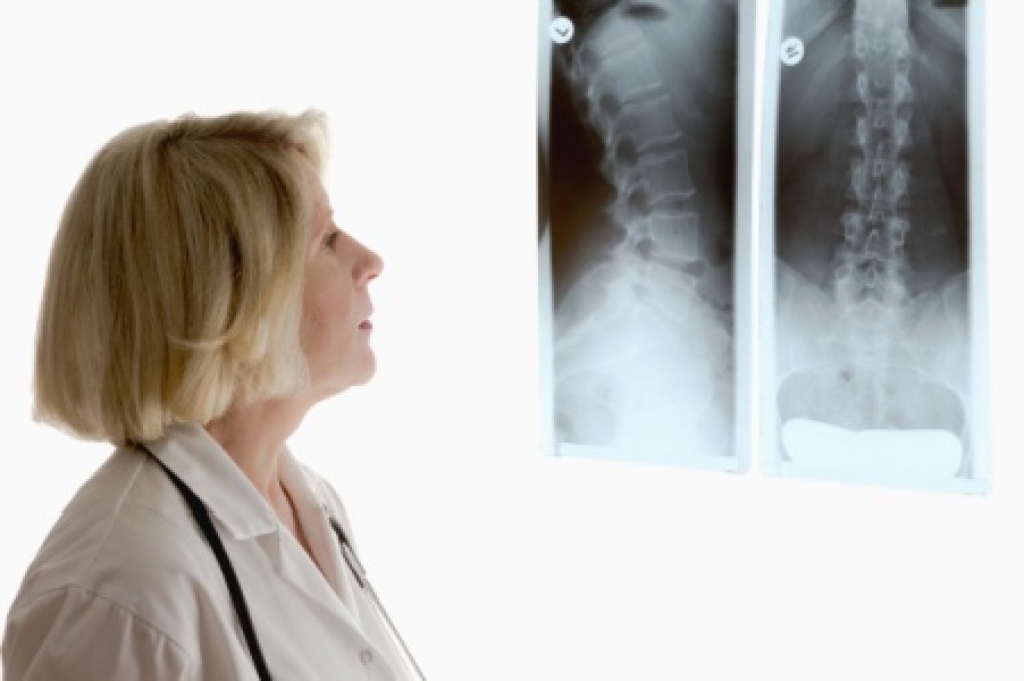
A bulging disc is a spinal condition in which the outer layer of a disc weakens and extends outward. It differs from a herniated disc, where the inner material pushes through a tear in the outer layer. Both conditions are sometimes referred to as a slipped disc and can affect spinal function. They most often occur in the lumbar spine but may also develop in the cervical region.
Symptoms can vary depending on the location and severity of the affected disc. Many people report localized back pain that may feel dull or sharp. Tingling sensations, numbness, and radiating pain can occur when nearby nerves are compressed. Movement such as twisting or lifting may increase discomfort, and prolonged sitting can worsen symptoms. Early recognition is important to prevent further complications.
Risk factors include aging, repetitive motion, and occupational strain that places stress on the spine. Individuals with poor posture or weak core muscles may be more vulnerable to disc problems. Previous injuries and improper body mechanics can also contribute to disc degeneration. Maintaining spinal alignment and strength is essential for reducing risk and protecting overall mobility.
Treatment often focuses on non-invasive methods that support healing and reduce pressure on affected discs. Chiropractic adjustments may improve spinal alignment and relieve nerve irritation. Stretching and strengthening exercises can enhance flexibility and stability. Lifestyle changes such as maintaining a healthy weight and practicing proper posture also play a key role. If you are experiencing symptoms related to bulging or herniated discs, it is suggested that you visit a chiropractor for an evaluation and personalized care.
Bulging and herniated discs are common spinal conditions that can lead to persistent pain, discomfort, and limited mobility. A disc bulge occurs when the outer layer of the spinal disc begins to protrude, while a herniated disc involves a rupture that allows the inner gel-like core to seep out. Both conditions often compress nearby nerves, resulting in pain, tingling, numbness, and muscle weakness that can affect the back, legs, and even arms.
From a chiropractic perspective, addressing disc bulges and herniations focuses on reducing pressure on the spinal nerves and restoring proper spinal alignment. Chiropractors employ gentle, targeted adjustments designed to alleviate nerve compression and improve spinal mechanics. By correcting misalignments, chiropractic care can help reduce inflammation, enhance blood flow, and promote natural healing processes. This holistic approach aims to relieve pain without invasive procedures or medication.
For many patients, complementary therapies like spinal decompression, therapeutic exercises, and lifestyle guidance support long-term relief and function. Chiropractic care offers a non-surgical, drug-free path to managing disc issues, focusing on enhancing overall spinal health and reducing the likelihood of recurring symptoms. Each treatment plan is tailored to the patient’s specific needs and goals, ensuring an effective, individualized approach.
1. Is chiropractic treatment safe for herniated discs?
Generally, chiropractic care is safe for herniated discs when performed by a licensed professional who assesses the condition carefully. Mild adjustments or specific techniques are often used to avoid further injury.
2. How long does it take to see improvement?
Improvement times vary, but many patients notice reduced pain and better mobility within a few weeks of consistent chiropractic care, depending on the disc’s severity and other factors.
If you have any questions please feel free to contact our office located in Shoreview, MN .
