
We service the greater Twin Cities area

Chiropractic Treatment for Knee Pain

Knee pain can make standing, walking, and other daily movements uncomfortable. The knee is a large joint that supports much of the body's weight and helps the leg bend and straighten. Pain can develop after an injury, repeated strain, or changes within the joint. Problems involving the muscles or tissues around the knee can also contribute to discomfort. Symptoms can include aching, stiffness, and swelling. Some patients notice tenderness around the knee or difficulty fully bending the leg. Others experience discomfort when climbing stairs or getting up from a chair. Knee pain can affect balance and make physical activities more difficult. Because several structures work together to support knee movement, identifying factors that contribute to the pain is an important part of developing a treatment plan.

A chiropractor can evaluate knee pain by reviewing the patient's symptoms and examining how the knee moves. An evaluation can include checking range of motion, areas of tenderness, and joint stability. The chiropractor can also examine movement in the hips and ankles because these areas can influence stress on the knee. Chiropractic treatment can focus on improving movement in joints that are stiff or restricted. Gentle adjustments can help improve joint mobility in the knee and nearby areas. Soft-tissue techniques can address tight muscles that affect movement around the knee. A chiropractor can also observe how the patient stands and walks to identify movement patterns that place extra stress on the joint. Treatment can then be adjusted based on symptoms and response to care.

Knee pain can cause patients to shift their weight or change the way they walk. These changes can place additional stress on the hips, ankles, or lower back. A chiropractor can identify these movement problems and develop a treatment plan focused on improving function. Care can help reduce stiffness, improve mobility, and address muscle tension. Regular evaluations allow the chiropractor to monitor knee movement and adjust treatment as symptoms change. Improving movement in the knee and surrounding joints can support greater comfort during everyday activities. If you have symptoms of knee pain, it is suggested that you make an appointment with a chiropractor for diagnosis and treatment.

Knee Pain

Knee pain is a frequent complaint that can arise from injuries, overuse, arthritis, or misalignments in the body. This pain can disrupt daily life, limiting movement and impacting quality of life. Knee discomfort often develops when the body’s structural alignment is off, which places extra strain on the knee joint and surrounding muscles and ligaments.

Chiropractic care focuses on reducing knee pain by assessing and addressing alignment throughout the lower body. Gentle adjustments may be used to realign the knee and correct imbalances in the hip, pelvis, and spine that contribute to excessive knee stress. Restoring alignment in these areas can relieve pressure on the joint, ease pain, and promote improved mobility.

To support these adjustments, chiropractors often incorporate exercises, stretches, and lifestyle guidance to improve strength and flexibility around the knee. Strengthening muscles surrounding the joint can offer additional stability, helping to prevent future injuries.

Is knee pain treatment going to be painful?

Patients may worry that adjustments or other treatments will hurt. Chiropractors reassure patients that the techniques used are generally gentle, with any discomfort being mild and short-lived. They work within the patient’s pain tolerance.

How many sessions will I need?

Frequency and number of sessions depend on the pain’s severity and the patient’s response to treatment. Chiropractors often suggest a treatment plan tailored to the individual, sometimes starting with frequent visits and tapering as improvement occurs.

If you have any questions please feel free to contact our office located in Shoreview, MN . 

Read more about Knee Pain

Why Your Hands Hurt

Carpal tunnel syndrome develops when the median nerve is squeezed at the wrist. This nerve travels through a narrow space called the carpal tunnel, and carries messages between the hand and brain. Pressure on the nerve can cause tingling, numbness, and pain. Some patients also notice weakness in the thumb muscles. Symptoms can become worse at night or when the wrist stays in certain positions. People who work heavily with their hands can develop the condition. Pregnancy, diabetes, and a previous wrist fracture can also increase the chance of symptoms.

A chiropractor can evaluate carpal tunnel symptoms by asking where the discomfort occurs and when it becomes worse. The examination can assess wrist movement, hand strength, and areas of altered sensation. Because nerves traveling to the hand begin in the neck, a chiropractor can also examine the neck and shoulder for problems that could affect symptoms. Constant numbness deserves careful attention because prolonged pressure can damage the median nerve. A thorough evaluation helps more clearly determine whether the symptoms fit carpal tunnel syndrome or whether another problem could be contributing to hand discomfort.

Chiropractic care can focus on improving movement and reducing mechanical stress that could contribute to nerve irritation. Treatment can include gentle wrist mobilization, nerve-gliding exercises, and attention to neck or shoulder movement. A chiropractor can also assess posture and repeated hand movements that place added strain on the wrist. Care is based on the severity of symptoms and examination findings. If you have symptoms of carpal tunnel syndrome, it is suggested that you schedule an appointment with a chiropractor for effective relief and management solutions.

Carpal Tunnel Syndrome

Carpal tunnel syndrome, or CTS, is a condition caused by compression of the median nerve, which runs through the carpal tunnel in the wrist. This tunnel is a narrow passageway surrounded by bones and ligaments, and when it becomes compressed or inflamed, it can put pressure on the nerve. Symptoms of CTS include tingling, numbness, weakness, and pain in the hand and fingers, often making simple tasks difficult and uncomfortable.

Chiropractic care offers a non-invasive approach to managing CTS by addressing alignment and reducing nerve pressure. Chiropractors start by evaluating the wrist, elbow, and even the cervical spine or neck, as misalignments in these areas can contribute to nerve compression in the wrist. Through gentle adjustments, chiropractors can improve the alignment of the wrist and spine, helping to reduce the pressure on the median nerve.

In addition to adjustments, chiropractors may use soft tissue therapy, such as stretching and myofascial release, to reduce inflammation surrounding the wrist and enhance mobility.

Why Consider Chiropractic for CTS?

Chiropractic care can provide lasting relief by targeting the root causes of CTS, reducing pain, and promoting long-term hand and wrist health.

Can Chiropractic Care Address Repetitive Strain as a Cause of CTS?

Chiropractic care can help manage repetitive strain by improving joint alignment and recommending ergonomic adjustments.

If you have any questions, please feel free to contact our office located in Shoreview, MN .
 

Read more about Carpal Tunnel Syndrome

Symptoms of Diabetic Peripheral Neuropathy

Diabetic peripheral neuropathy is nerve damage linked to long-term high blood sugar levels. It usually begins in the feet and legs, although symptoms can later affect the hands and arms. Patients can experience numbness, tingling, or burning sensations in the affected areas. Some people feel as though they have a sock or glove on when they do not. Sudden, sharp pain can also occur, and may feel like an electrical current. These changes can make everyday movement and routine tasks more difficult.

Nerve damage can also affect balance and coordination. Muscle weakness surrounding the ankle can change the way a person walks, while numbness in the feet can make it harder to sense the ground. Some patients develop changes in foot shape because they shift their weight in unusual ways when walking. Diabetic peripheral neuropathy can also reduce the ability to feel an injury. As a result, sores or blisters can develop without causing noticeable pain. Temperature changes can be harder to judge, and normal warmth or cold can sometimes feel painful. Symptoms can become more noticeable at night and interfere with restful sleep.

A chiropractor can evaluate how neuropathy symptoms are affecting movement, balance, and daily function. Chiropractic care can focus on supporting joint mobility, improving body mechanics, and reducing strain caused by changes in the way a patient moves. A chiropractor can also monitor changes in sensation and examine the feet for problems that could affect mobility. Because reduced sensation can make injuries harder to notice, careful evaluation is especially important for patients with diabetes. Chiropractic care should be tailored to each patient's symptoms and overall condition. If you have symptoms of diabetic peripheral neuropathy, it is suggested that you schedule an appointment with a chiropractor for a diagnosis and appropriate treatment.

Neuropathy

Neuropathy is a condition affecting the peripheral nerves, often resulting in sensations of numbness, tingling, burning, or sharp pain, typically in the hands or feet. This condition can stem from diabetes, infections, physical trauma, or other underlying health issues, disrupting the body’s ability to send and receive signals between the nervous system and various parts of the body. Neuropathy can interfere with daily life, making even simple tasks uncomfortable or painful.

Chiropractic care

Chiropractic care offers a holistic approach to managing neuropathy symptoms by focusing on improving nerve function and reducing pressure on affected nerves. Through gentle adjustments to the spine or other impacted areas, chiropractors aim to relieve nerve compression, potentially alleviating symptoms and supporting healthier nerve pathways.

Some chiropractors may also suggest dietary adjustments and other lifestyle changes to support nerve health and reduce symptoms of neuropathy, encouraging circulation and reducing inflammation around the nerves.

Chiropractic treatment

Chiropractic treatment for neuropathy provides a non-invasive, natural way to address discomfort by focusing on underlying imbalances that contribute to nerve pain. This approach promotes overall nervous system health and may offer relief from neuropathy symptoms, improving patients’ comfort and quality of life.

If you have any questions please feel free to contact our office located in Shoreview, MN

Is there a specific duration or number of sessions at which neuropathy improves plateau?

Each case is different, but significant gains often occur within the first few months, with maintenance care recommended for lasting relief.

How can I tell if my progress with chiropractic care is on track for my neuropathy symptoms?

Chiropractors usually track improvements in symptoms like pain, numbness, and mobility, adjusting treatment if necessary.

How does a chiropractor assess which type of neuropathy a patient has and determine if chiropractic care is suitable?

Chiropractors evaluate the type and cause of neuropathy through symptom assessment and may collaborate with other healthcare providers to ensure that chiropractic adjustments are safe and beneficial for the patient.


If you have any questions please feel free to contact our office located in Shoreview, MN . 
Read more about Neuropathy

Common Conditions Behind Foot Pain

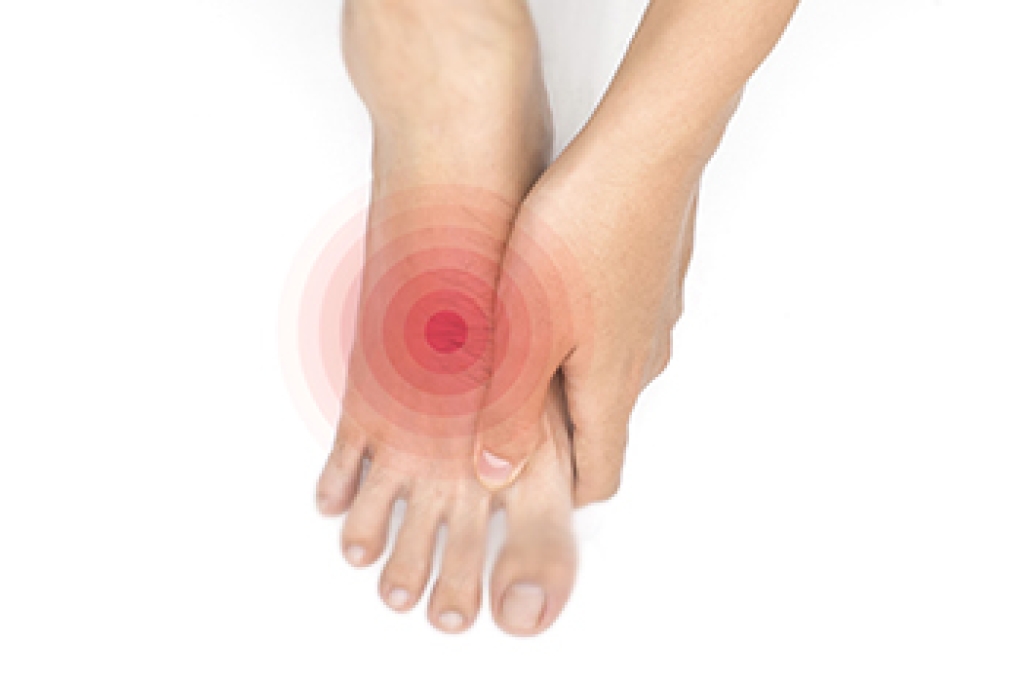
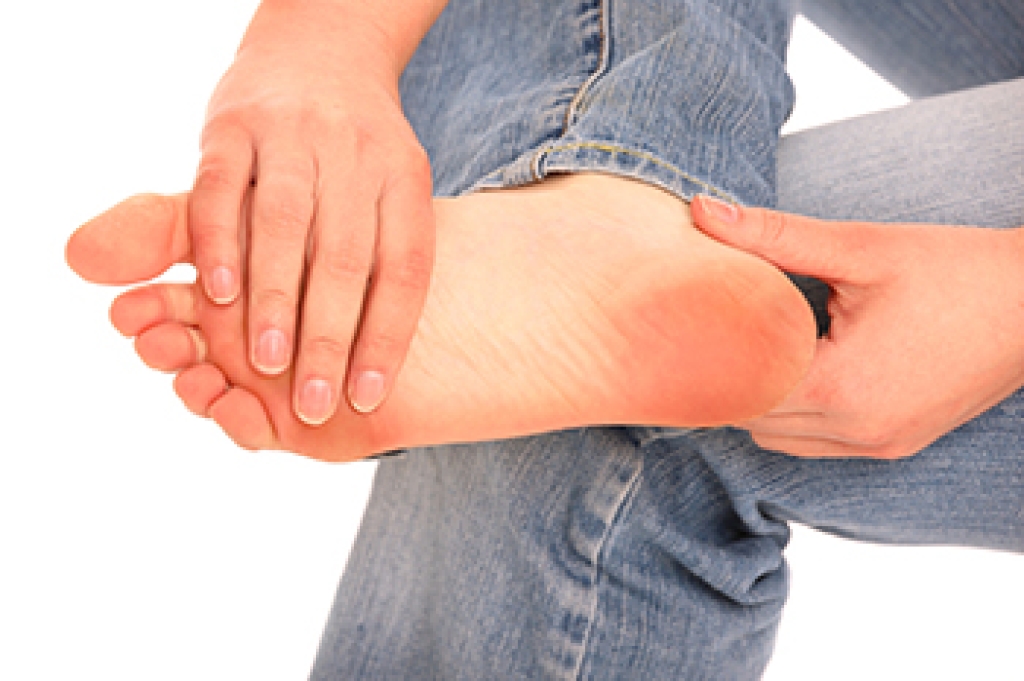
Foot pain can affect walking, standing, and other daily activities. Because the foot contains many joints and soft tissues that work together, discomfort can develop for several reasons. Common foot disorders include bunions, plantar fasciitis, and Morton’s neuroma. Each problem affects a different area of the foot and may produce a different type of pain. A careful evaluation considers the location and severity of symptoms, in addition to how long the pain has been present. Previous injuries and changes in activity can also provide useful information about what may be causing discomfort.


A bunion develops around the joint at the base of the big toe and may cause pain from pressure and friction against nearby tissues. As the deformity progresses, changes in foot mechanics can place added pressure on other areas of the forefoot. Plantar fasciitis affects a strong band of tissue that helps support the arch. It commonly causes pain near the inner heel, especially while standing or walking after a period of rest. Morton’s neuroma involves irritation and thickening surrounding a nerve in the forefoot. Symptoms may begin with burning or tingling, and can progress to sharp pain during walking or other weight-bearing activity.


Since foot pain may be connected to changes in movement and body mechanics, a chiropractor can evaluate how the feet function during movement and consider how the lower body is working as a whole. Abnormal mechanics involving the leg, ankle, or arch can increase stress on the plantar fascia. Persistent foot pain can interfere with mobility and make normal activities increasingly difficult. If foot pain or changes in movement are affecting your daily life, it is suggested that you consult a chiropractor for an evaluation and appropriate care options.

Foot pain is a common problem that can stem from various causes, such as overuse, injury, or conditions like plantar fasciitis and flat feet. It may present as sharp, aching, or throbbing sensations, often making daily activities like walking or standing uncomfortable. Poor alignment of the foot and ankle can lead to additional strain on surrounding muscles and joints, worsening the problem. Left untreated, foot pain can interfere with mobility and overall quality of life.
Chiropractors take a holistic approach to addressing foot pain. By assessing posture, gait, and foot structure, they can identify underlying imbalances contributing to discomfort. Treatment often includes gentle joint adjustments to restore proper alignment, soft tissue therapies to ease tension, and custom exercises to strengthen the affected area. Chiropractic care aims to resolve the root causes of foot pain and improve function naturally.

1. How does foot pain relate to issues in the back or hips?
Foot pain can often be a symptom of biomechanical issues higher up the kinetic chain, such as misalignments in the hips or lower back. Chiropractors assess these connections to treat the root cause.
2. Do chiropractors treat conditions like plantar fasciitis differently from podiatrists?
Chiropractors focus on whole-body alignment, addressing how foot pain may stem from or contribute to imbalances in the spine or posture, complementing podiatric approaches.
3. Can chiropractic care improve my walking or running gait?
Yes, by correcting misalignments and improving joint function, chiropractic care can enhance gait mechanics, reducing strain and preventing future foot pain.
If you have any questions please feel free to contact our office located in Shoreview, MN . 

 

Read more about Foot Pain

Recovery for Tennis and Golfer’s Elbow

If your elbow feels sore, stiff, or sensitive with certain movements, it may be due to repetitive strain from sports like tennis or golf. These injuries often affect the tendons and can limit strength. Gentle adjustments can help restore proper motion.

Relieve pain from overuse injuries. Call today for an appointment.

scroll to top